Posted on 28/10/2026
Bexley Council rules for placing roadside floral tributes: a practical guide for families, friends and community members
When someone dies suddenly, a roadside floral tribute can feel like the most natural thing in the world. You want to mark the place, show respect, and do something immediate while everything still feels raw. But the Bexley Council rules for placing roadside floral tributes can be less obvious than people expect, and that is where confusion usually starts.
This guide explains the practical side in plain English: what roadside tributes are generally used for, why councils care where they are placed, how to approach the process respectfully, and what to do if you are unsure whether a tribute is safe, permitted, or likely to be removed. We will also look at common mistakes, useful alternatives, and a simple step-by-step approach that helps you avoid awkward surprises later on.
If you are dealing with this now, let's face it, you probably do not need legal jargon. You need calm, clear guidance. So that is what this article is for.
- Why the rules matter
- How roadside floral tributes usually work
- Practical benefits of following the right approach
- Who this guidance is for
- Step-by-step guidance
- Expert tips for a respectful tribute
- Common mistakes to avoid
- Tools, resources and recommendations
- Law, compliance and best practice
- Options and comparisons
- Real-world example
- Practical checklist
- Conclusion
- Frequently asked questions
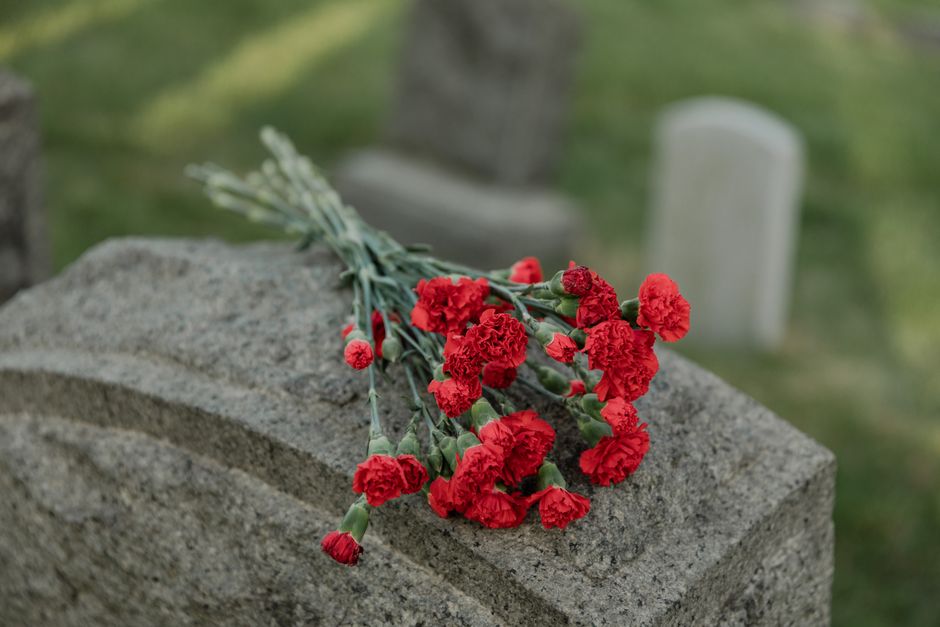
Why Bexley Council rules for placing roadside floral tributes Matters
Roadside tributes are usually placed with the best intentions. A bouquet by a crash site, a wreath near a lamppost, a card tucked into a fence line. It can be deeply moving. It can also create problems if it is placed in the wrong spot or left too long.
Councils have to balance compassion with public safety, road maintenance, and the practical reality of busy streets. A tribute placed too close to a junction, roundabout, pedestrian crossing, cycle lane, or traffic signal can distract drivers or create an obstruction. Wet flowers, cellophane, ribbons, and candle items can also become debris in windy weather. Truth be told, even the kindest memorial can become a nuisance if nobody is looking after it.
In Bexley, as elsewhere in London, roadside memorials sit in a sensitive space between grief and public responsibility. That is why it helps to understand the local expectations before you start placing items. It reduces stress, avoids conflict, and means the tribute is more likely to stay in place in a respectful way.
Expert summary: The safest approach is simple: keep roadside floral tributes modest, unobtrusive, and away from anything that could affect traffic, visibility, or maintenance access. When in doubt, ask first rather than assuming.
There is also a human side here. Families often revisit a roadside spot for months, sometimes years. If the arrangement was placed carefully from the start, it tends to feel more peaceful. Less worrying. Less "will someone remove this?" and more "we did this properly."
How Bexley Council rules for placing roadside floral tributes Works
There is no one-size-fits-all tribute rule that applies to every roadside location in exactly the same way. The practical approach depends on the type of road, the safety risk, whether the land is council-maintained, and what else is nearby. That is why people sometimes find the process frustrating. You see a place that feels meaningful, but the site may also be part of a highway, verge, or maintenance area.
In everyday terms, the council's likely concern is simple: does the tribute interfere with road users, maintenance teams, emergency services, or the general condition of the highway? If the answer might be yes, the tribute may need to be relocated, reduced, or removed.
Some common real-world factors include:
- how close the tribute is to moving traffic
- whether it blocks visibility for drivers or pedestrians
- whether it sits on a verge or strip of land that needs regular cutting or clearing
- whether items could blow into the road
- whether candles, glass, or hard objects create extra risk
- whether the arrangement could obstruct litter collection, drainage, or inspection work
In practice, the more temporary and lightweight the tribute, the easier it tends to be to manage. A small floral bouquet is generally less likely to cause issues than a large display with signs, candles, balloons, or fixed frames. That said, every location is different, and what works in one quiet street may be a problem on a busier route.
If you are also arranging flowers for a bereavement more broadly, you may want to look at funeral flowers in Bexleyheath or the wider funeral flowers collection, especially if you want something that can be used at a service as well as at a memorial place.
Key Benefits and Practical Advantages
Following the right process is not just about compliance. It actually makes the tribute better. That sounds odd at first, but it is true.
Here are the main benefits:
- Fewer removal worries: a properly placed tribute is less likely to be cleared away quickly.
- Better safety: you reduce the chance of causing a hazard for drivers or pedestrians.
- More dignity: a tidy arrangement feels more respectful than one that is blown about or damaged.
- Less emotional strain: you are not left wondering whether the tribute is "allowed".
- Easier maintenance: families or friends can revisit and refresh it more easily.
There is also a softer benefit that people do not always mention. A well-thought-out roadside tribute gives people a place to pause without creating drama around it. No one wants to be fielding complaints while they are grieving. No one.
If you are thinking about what kind of flowers work best, the simplest arrangements are usually easiest to handle. A compact bouquet, posy, or wreath tends to behave better outdoors than tall, delicate, or heavily decorated designs. If you need a gentler memorial style, the tributes collection and wreaths collection offer formats that suit memorial settings better than a standard hand-tied bunch in many cases.
Who This Is For and When It Makes Sense
This guidance is relevant if you are:
- placing flowers at or near a road traffic incident site
- organising a spontaneous memorial with family or friends
- helping someone who wants to leave a respectful tribute but is unsure where
- supporting a funeral or remembrance gathering in Bexley
- running a local memorial collection and need to think about safety
It also makes sense if you are a florist, funeral director, community organiser, or simply the person everyone turns to because you "seem to know what to do." That happens a lot, to be fair.
The key point is this: if the tribute is going near a roadside area, the decision is different from dropping flowers at a home, a church, a cemetery, or a private memorial site. Roads are public spaces. They come with rules, even when the gesture is personal.
For those arranging more formal condolence flowers, something from the sympathy collection can be a more suitable choice than a roadside-style display. And if timing matters, the same-day flower delivery service may help when the need is immediate.
Step-by-Step Guidance
If you want the safest, calmest way to handle a roadside floral tribute in Bexley, use this sequence.
1) Check the exact location
Before you buy or prepare anything, identify where the tribute will sit. Is it on a pavement edge, roadside verge, central reservation, fence line, grass verge, or near a junction? The exact spot matters more than people think.
A tribute that seems harmless from a distance may be too close to traffic when you stand next to it. Stand there for a minute, if you can. Look left and right. Notice whether vehicles pass quickly, whether walkers use the same path, and whether the area is already narrow.
2) Keep the arrangement modest
Less is often better outdoors. Choose flowers that are sturdy and not too top-heavy. Avoid anything that can fly away, leak, tip over, or create a mess in wet weather.
Very large foam bases, loose petals in quantity, glass jars, and candle items can be risky near a public highway. A simple bunch or wreath is easier to manage and often more tasteful anyway.
3) Avoid anything that could become a hazard
Ribbon ends, wire stems sticking out, sharp decorative pins, and plastic packaging can all cause problems. If wind gets up, even a small item can move surprisingly far. A few minutes of care now saves a lot of hassle later.
4) Decide whether you need permission or guidance
If you are unsure whether the spot is appropriate, ask before placing the tribute. This is especially sensible near busy roads, bus stops, crossings, or locations where the memorial could stay up for a long time.
Sometimes people assume a heartfelt gesture does not need checking. But roadside land is not the same as private land. A quick enquiry can prevent an awkward removal notice, which, honestly, is the last thing anyone wants while grieving.
5) Add a respectful note if needed
A simple card or message can explain who the tribute is for and whether it should be left in place for a short time. Keep it brief. Clear. Human.
6) Plan for weather and maintenance
London weather does its own thing. Rain, wind, and traffic spray will wear a tribute down faster than people expect. If you want it to last, choose hardy flowers and check it regularly.
7) Arrange for removal or refresh
Eventually, every roadside tribute needs attention. Either the family, a friend, or a local contact should take responsibility for refreshing or removing it. Leaving that decision to chance is where things get messy.
If you need a flower option that is easy to manage and suitable for a simple memorial gesture, you might also consider the baskets and posies range or a more formal spray arrangement.
Expert Tips for Better Results
Here are the practical habits that make a real difference. Not flashy, just useful.
- Choose sturdier stems: chrysanthemums, carnations, roses, and mixed memorial arrangements often travel and hold better outdoors than very delicate varieties.
- Keep colours calm unless the tribute is personal: white, purple, pink, and soft mixed tones often feel respectful and easy on the eye.
- Use a low, stable format: a posy, wreath, or compact tribute usually behaves better in wind than a tall bouquet.
- Be careful with personal messages: a few clear words often land better than a long note that may weather badly.
- Think about sightlines: if people have to lean into the road to read a card, the placement is probably wrong.
A little practical observation from experience: if you stand back after setting it down and it still feels calm from five metres away, you are probably doing it right. If it looks messy from the pavement, it is too much.
Also, do not forget the quiet things. A tribute beside a noisy road can become difficult to revisit emotionally. Choosing a site where people can safely stop, stand, and remember matters more than making it dramatic.
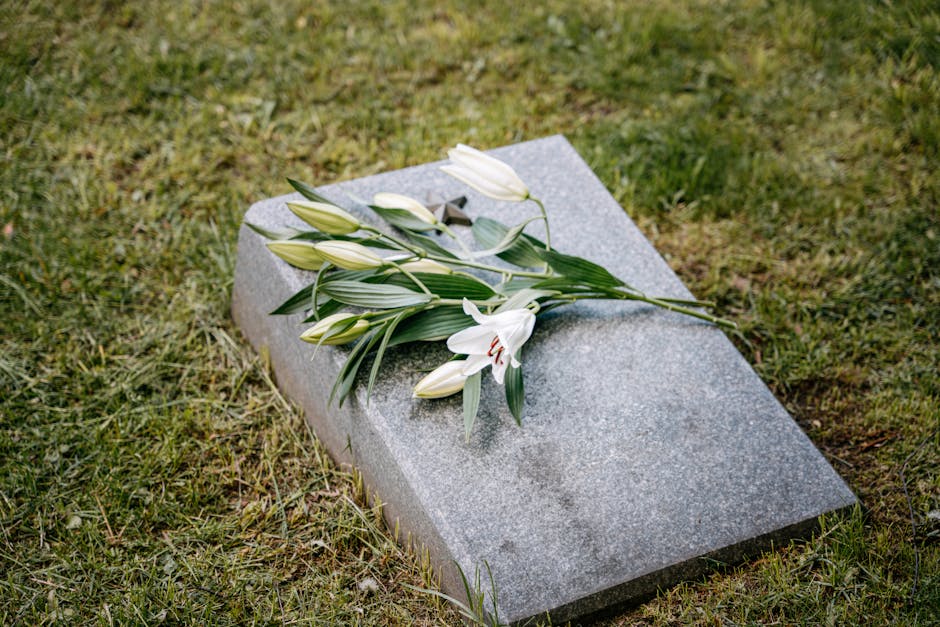
Common Mistakes to Avoid
Most problems with roadside floral tributes come from good intentions and rushed decisions. The most common mistakes are surprisingly basic.
- Placing flowers too close to traffic: especially on narrow roads, blind bends, or junctions.
- Using fragile packaging: thin cellophane, light paper, or unstable containers do not survive long.
- Adding unsafe extras: candles, glass, sharp spikes, and heavy objects can create risk.
- Ignoring maintenance: flowers that have wilted or blown over can quickly look neglected.
- Assuming "someone else" will deal with it: that is a very human assumption, and usually a regrettable one.
- Overcrowding the site: too many items can turn a tribute into clutter.
Another common issue is using a roadside tribute for too long without checking whether it is still acceptable. A memorial may begin as a short-term gesture and become more permanent than anyone intended. At that point, the conversation changes. Better to stay ahead of it.
Tools, Resources and Recommendations
You do not need much to handle a tribute well, but a few basic items help:
- strong florist wrap or ribbon that will not unravel quickly
- a card or note for identification
- weather-resistant wrapping if the tribute will remain outdoors
- simple flower water tubes if the stems need short-term support
- gloves and a clean bag for later removal of damaged material
If you are choosing flowers specifically for remembrance, the more structured memorial products are usually more practical than a generic bouquet. The funeral flowers, sympathy flowers, and remembrance styles on the site can give you a better starting point for something that needs to feel dignified outdoors. If you want to keep the arrangement simple, the local florist service is often the most practical route because you can describe the setting and get advice on shape and durability.
And if you are working to a budget, do not worry. A tasteful tribute does not have to be extravagant. In fact, modest arrangements often look more sincere at roadside memorials. There is no prize for the biggest display. Thank goodness.
Law, Compliance, Standards, or Best Practice
Roadside floral tributes sit at the intersection of public safety, highway management, and local discretion. That means you should treat them as a practical compliance issue as well as a memorial gesture.
Without inventing exact local policy details, the general best-practice principles are straightforward:
- do not place items where they block sightlines or road users
- avoid anything that could blow into the carriageway
- do not attach items in a way that damages street furniture, signs, or highway surfaces
- do not assume a tribute can remain indefinitely without review
- be prepared for removal if the site becomes unsafe or obstructive
From a UK public-space perspective, councils must manage highway safety and maintenance. Families, friends, and the wider community should therefore treat roadside memorials as temporary or monitored unless they have explicit reason to believe otherwise. That is the cautious, responsible reading, and it is usually the wisest one.
If you need a floral arrangement that feels more suitable for a service, church, crematorium, or private remembrance event, you may be better served by dedicated memorial pieces such as a wreath, spray, posy, or tribute design rather than a loose roadside bunch. For example, the wreaths and tributes ranges are built around those more formal contexts.
Options, Methods, or Comparison Table
Different memorial formats suit different settings. Here is a practical comparison to help you choose.
| Option | Best for | Pros | Watch out for |
|---|---|---|---|
| Simple hand-tied bouquet | Short-term roadside gesture | Quick, affordable, easy to place | Can blow about or wilt quickly |
| Posy or basket | Small memorial at a safer roadside spot | Compact, tidy, stable | May still need weather protection |
| Wreath | Formal remembrance or service use | Balanced, respectful, visually clear | Can be too large for narrow verges |
| Spray arrangement | Funeral tribute or structured memorial | Elegant, traditional, easy to read from a distance | Needs careful placement and support |
| Letter tribute or custom tribute | Personal memorial statement | Highly individual, meaningful | Can be bulky and more difficult outdoors |
If you are choosing between a softer memorial and a more visible statement, think about the site first, not the flowers. That is the trick. The road decides the shape more than the occasion does.
Case Study or Real-World Example
Here is a realistic example based on the sort of situation people often face in Bexley.
A family wants to leave flowers near a road where a loved one died. The location is a narrow stretch with cars passing quickly, and there is not much pavement space. At first, they imagine a larger display with cards, ribbons, and a candle. It seems comforting in their heads. But when they visit the site, they realise pedestrians would need to step into a cramped area to reach it, and the nearest verge is part of the highway maintenance strip.
Instead, they choose a smaller wreath and a short card. They place it slightly away from the carriageway, keep the arrangement low, and check it after two days. When the weather turns wet, they remove the outer wrapping that has started to sag. The tribute remains tidy, the family feels comfortable returning to it, and nobody has to deal with an awkward removal issue.
That is the kind of outcome you want. Not perfect. Just thoughtful, safe, and manageable.
In our experience, the best roadside memorials are the ones that look calm from the start. No fuss. No clutter. Just a respectful sign that someone was loved.
Practical Checklist
Use this quick checklist before placing floral tributes at a roadside location in Bexley:
- Have I confirmed the exact spot?
- Is it safely away from moving traffic?
- Will it block visibility for drivers or pedestrians?
- Is the tribute small and stable enough for outdoor conditions?
- Have I avoided candles, glass, or sharp items?
- Do I know who will check, refresh, or remove it later?
- Would a wreath, posy, or spray work better than a loose bouquet?
- Have I chosen flowers that can cope with wind and rain?
- Does the note or card stay brief and clear?
- Am I comfortable that this is respectful, safe, and maintainable?
If you can tick most of those boxes, you are in much better shape. If not, pause and rethink the placement before going ahead. That small delay is worth it.
Conclusion
Bexley Council rules for placing roadside floral tributes are really about balancing compassion with common sense. A tribute should honour someone's memory without creating risk, clutter, or uncertainty. The simplest, safest arrangements tend to be the most successful, especially when the roadside setting is busy or narrow.
So the practical answer is this: choose a modest tribute, place it carefully, avoid hazards, and keep an eye on it afterwards. If the location feels awkward, it probably is. And if you are not sure, ask before you place anything. That one step can save a lot of grief later, and grief is already carrying enough weight.
Get a free quote today and see how much you can save.
In the end, the kindest tribute is often the one that is quiet, safe, and made with a steady hand.
Frequently Asked Questions
Can I place flowers anywhere near a road in Bexley?
Not always. The main issue is whether the location creates a safety or access problem. If flowers would sit too close to traffic, block visibility, or interfere with maintenance, they may not be appropriate.
How long can roadside floral tributes usually stay up?
That depends on the site and local expectations. In practice, roadside tributes are often treated as temporary unless there is clear reason to leave them longer. It is best to check and refresh them regularly.
Are candles allowed with roadside memorial flowers?
Candles are usually a poor choice near roads because they can blow over, break, or create fire risk. A flower-only tribute is usually safer and easier to manage.
What type of flowers work best for a roadside tribute?
Sturdier flowers such as roses, carnations, chrysanthemums, and compact mixed arrangements tend to hold up better outdoors. Lightweight or very delicate blooms may not last as well in wind and rain.
Do I need permission to place a roadside floral tribute?
If the site is on or near highway land, it is sensible to ask before placing anything. Even if permission is not always formally required, checking helps avoid problems later.
Can the council remove roadside flowers?
Yes, if the tribute creates a safety issue, obstructs maintenance, or becomes unsuitable for the site. That is why a tidy, low-risk arrangement is usually best.
What is better: a bouquet, wreath, or posy?
For roadside use, a posy or wreath is often more stable than a loose bouquet. Bouquets can still work, but they may need more care in windy or wet conditions.
Can I use a personalised tribute?
Yes, but keep the size and setting in mind. Large custom items can be meaningful, but they are not always practical at the roadside. The location should guide the design.
What should I do if a tribute has been damaged by weather?
Remove the damaged parts or refresh the arrangement as soon as you can. Wilted flowers, torn wrapping, and scattered items can make the memorial look neglected even when the intention is loving.
Is a roadside tribute the same as funeral flowers?
Not quite. Funeral flowers are usually designed for a service or formal remembrance setting. Roadside tributes need to be more stable, safer, and often more temporary.
Where can I find suitable memorial flowers locally?
Look for arrangements designed for sympathy, funerals, wreaths, posies, and tributes rather than standard everyday bouquets. A local florist can usually steer you toward something practical for the setting.
What if I am not sure whether the spot is safe enough?
Then it probably deserves a second look. Step back, assess the traffic, and choose a safer position if possible. When in doubt, smaller and simpler is usually the better choice.


